The Best Diet for Psoriasis: What the Evidence Actually Says
Ask ten websites about a psoriasis diet and you'll get ten contradictory lists. Here's what actually has evidence behind it — and what's noise.
The strongest finding: weight matters
The best-proven dietary intervention for psoriasis isn't a magic food — it's weight reduction in people who carry excess weight. Fat tissue produces inflammatory signals that fuel psoriasis; clinical trials show that a 5–10% weight loss significantly reduces severity and improves response to treatment. If you address only one thing, address this.
Eat more of these
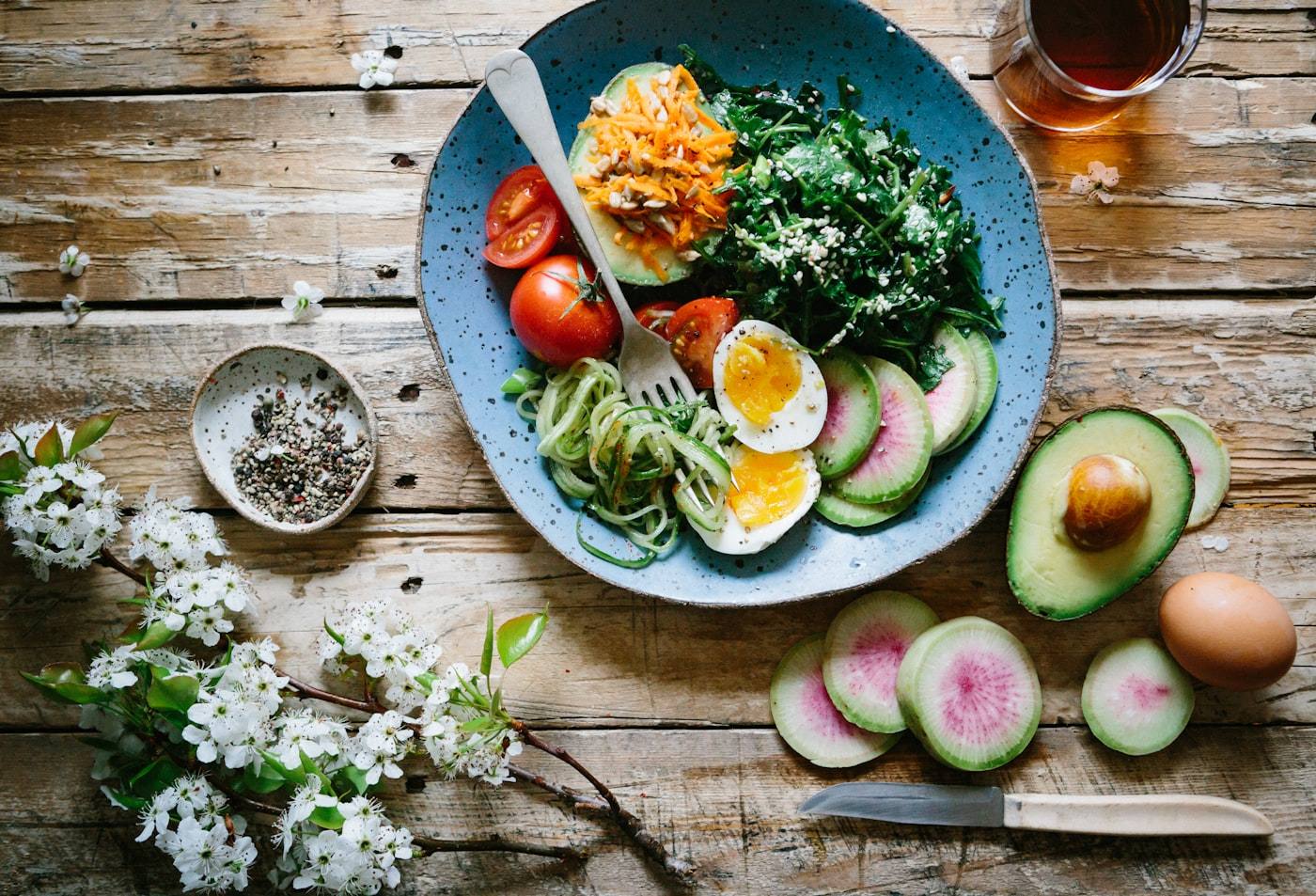
- Vegetables, fruit and pulses — fibre feeds gut bacteria that regulate immunity.
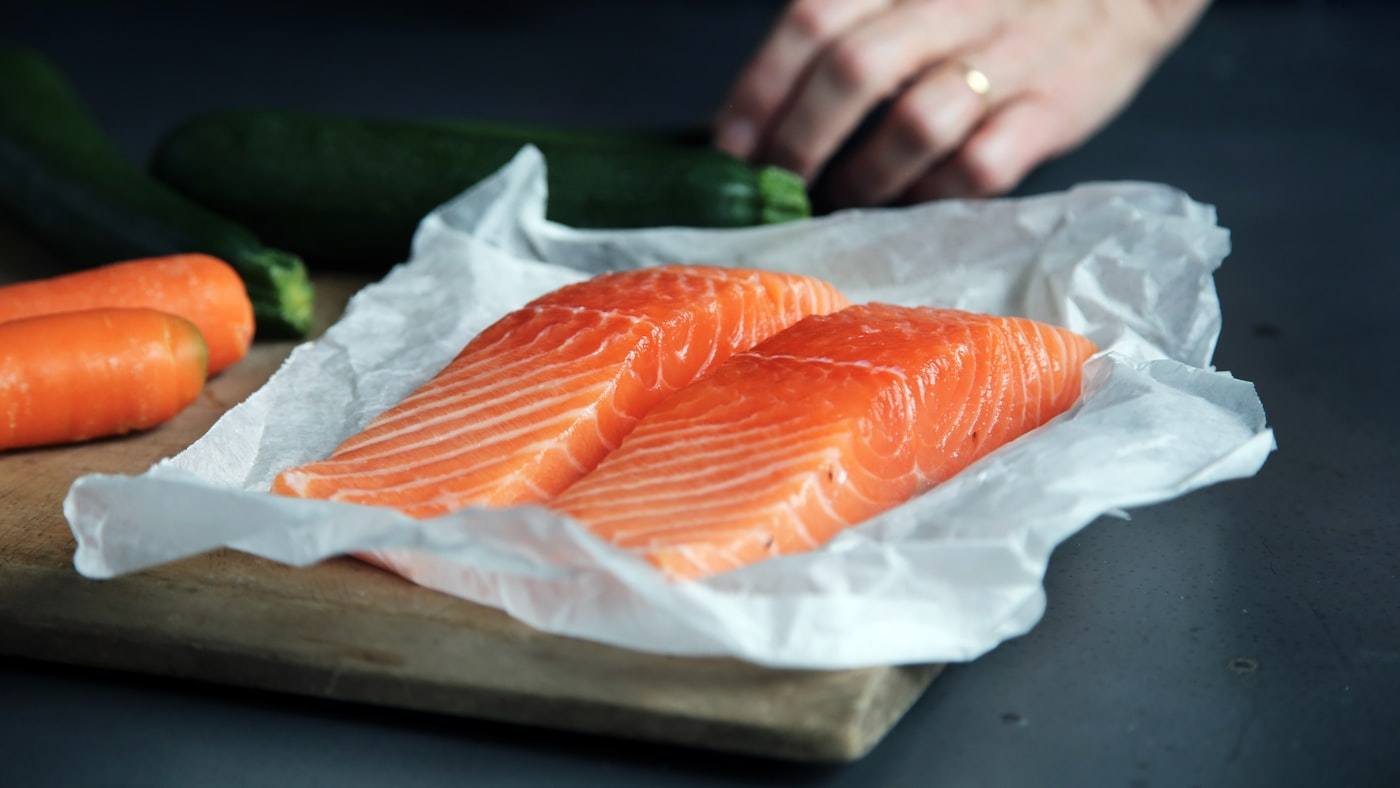
- Fatty fish (or omega-3 sources) — modest anti-inflammatory benefit across studies.
- Olive oil, nuts and seeds — the Mediterranean pattern correlates with milder psoriasis.
- Turmeric, ginger and colourful spices — small studies suggest supportive effects; safe and worth including.
Reduce these
- Alcohol — one of the clearest dietary triggers; it worsens flares and interferes with treatment.
- Ultra-processed food and sugar — drives weight gain and systemic inflammation.
- Red and processed meat — associated with higher inflammatory load in excess.
What about gluten and dairy?
People with psoriasis have higher rates of coeliac disease and gluten sensitivity than average — worth testing if you have gut symptoms. For that subgroup, a gluten-free diet can genuinely help skin. For everyone else, evidence is weak; cutting entire food groups without testing usually adds burden without benefit. Dairy evidence is similarly individual — trial and observe rather than ban by default.
The honest summary
No diet cures psoriasis. But a Mediterranean-style eating pattern, minimal alcohol, and weight optimization measurably reduce severity and help your medical treatment work better. Pair the plate with sleep, stress management and trigger awareness — psoriasis responds to the whole system, not a single ingredient.